How to Buy Your First Gold Bar or Coin — A Complete Walkthrough
Buying your first piece of physical gold is less complicated than the industry makes it sound. The barrier isn't knowledge — it's the first click. This walkthrough takes you from "I should probably own some gold" to a verified coin in your hand.
Step 1 — Define the Goal
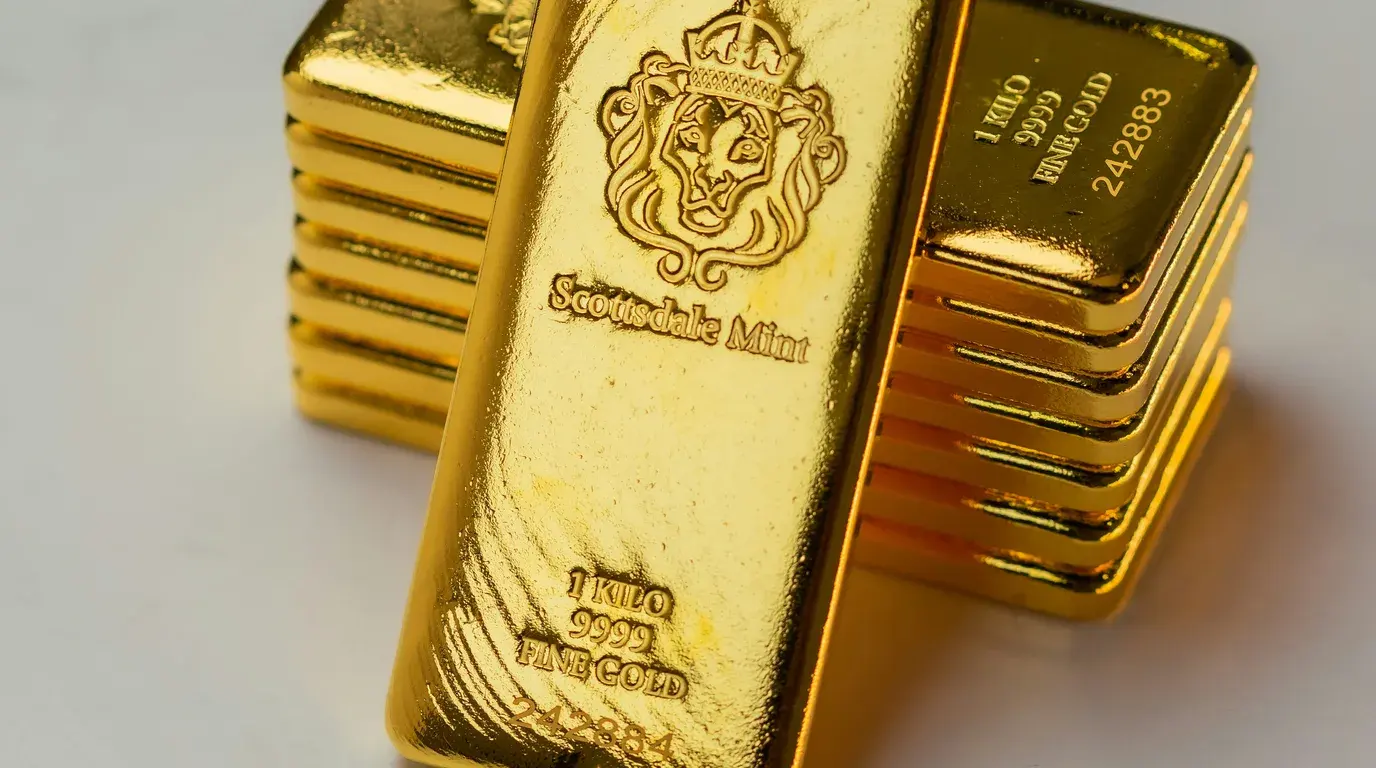
Before buying anything, write down one sentence explaining why. Common answers: diversify a paper-asset-heavy portfolio, hedge against currency debasement, store wealth outside the banking system, begin a long-term savings habit, gift a grandchild. Your answer dictates the product. Long-term wealth storage → bars. Liquidity and resale flexibility → sovereign coins. First-time learning → fractional coins.
Step 2 — Set a Budget You Won't Regret
Physical gold is not an emergency fund. Only buy with money you don't need within 12-18 months. A sensible first purchase is $500-$2,500 — enough to experience the full process (selection, payment, shipping, verification, storage) without betting the farm.
Step 3 — Pick the Product
For most first-time buyers: 1oz Canadian Gold Maple Leaf at SilverGoldBull. Four reasons: .9999 purity, universally recognised, competitive premium (3-5% over spot), easy to sell anywhere in the world. If a full ounce is outside budget, a 1/4oz Maple Leaf is the same coin at a quarter the price.
Step 4 — Place the Order
Add to cart. Choose payment: bank wire for the lowest price, credit card for convenience (1-4% higher), cryptocurrency for privacy (wire-equivalent pricing). Enter the shipping address — use a name that receives packages reliably. Confirm. Your price locks at order confirmation — gold spot moves minute-to-minute so delayed payment re-prices the order.
Step 5 — Receive and Verify
The package arrives discreetly labelled, fully insured. Don't open it in public. Indoors: check the tamper-evident seal is intact, confirm the product matches the invoice, weigh it (a 1oz gold coin = 31.1 grams exactly), inspect the security features under magnification (Maple Leaf has micro-engraved laser mark and radial lines).
Step 6 — Decide Where to Store It
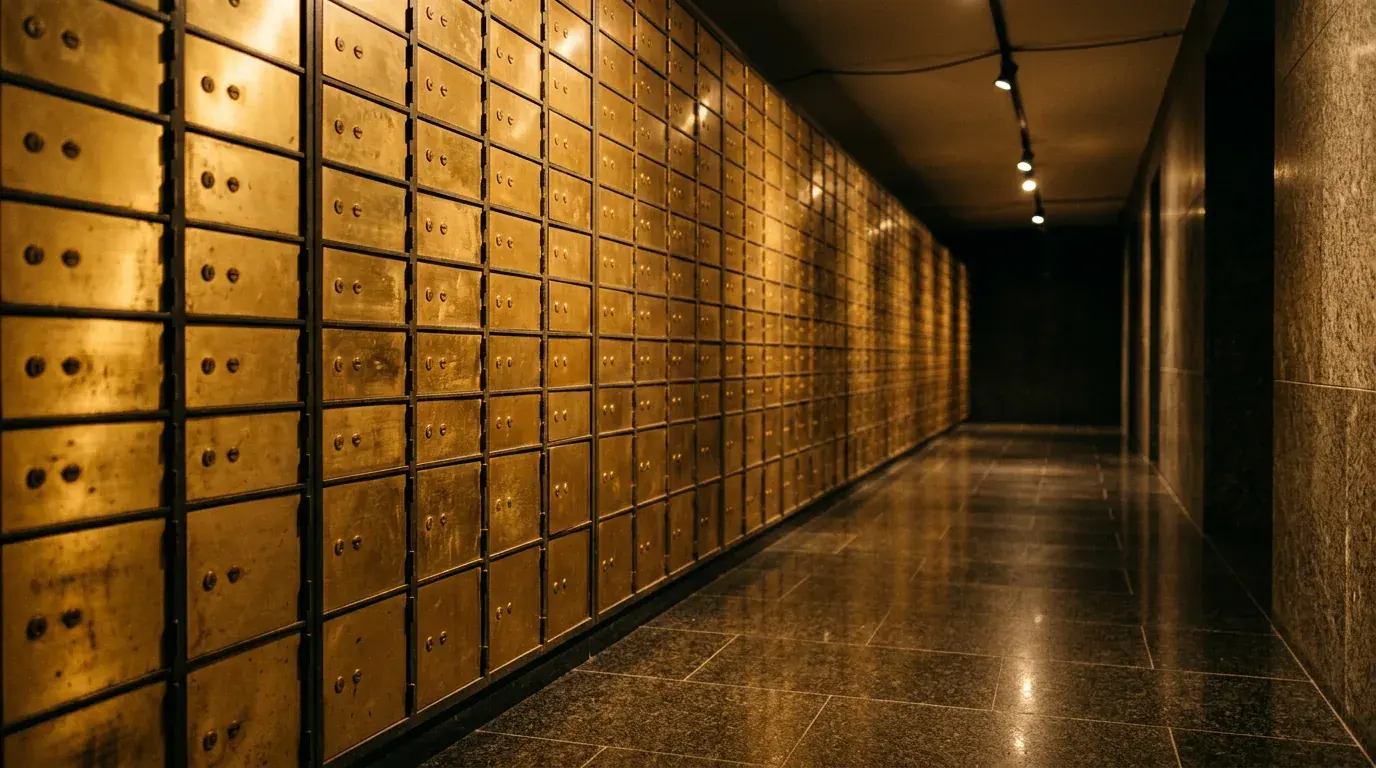
For one coin: a discreet hiding place most burglars won't search — not a bedside drawer, not a jewellery box. For several coins: a bolted fire-rated safe. For meaningful holdings: allocated vault storage via SilverGoldBull. See our full storage guide.
Step 7 — Record the Purchase
Photograph the coin. Note the invoice number. Save the order confirmation email. Store these records separately from the coin itself — ideally encrypted cloud storage plus a printed copy in a different location.
Before step one: is physical the right form at all?
This walkthrough assumes you have already decided you want metal in your hand. It is worth pausing on that, because for a lot of people the answer should be no. If the goal is exposure to the gold price inside a portfolio, a fund does it more cheaply, more liquidly and inside a tax wrapper. Physical only earns its extra cost if the point is holding something that is nobody else’s liability.
Both are legitimate. Buying physical for a reason that a fund would have served better is simply paying for a property you were not using.
Verifying what arrives, without damaging it
Open the parcel on camera. It sounds excessive and it is the cheapest insurance available in this whole process — an unbroken recording of an unopened package removes any argument about what was inside.
Then check the things that do not require touching the metal: weight on a scale reading to a hundredth of a gram, dimensions against the mint’s published specification, and the serial number on a bar against its assay card. Gold’s density is unusual enough that weight and dimensions together are a strong test — a fake matching both is rare and expensive to produce. Leave capsules and assay cards sealed; the packaging is part of what you will sell.
The record you make on day one
Photograph the invoice, the product and any serial numbers, and write down what you paid, when, and where it is. Store that somewhere other than with the metal.
This does three jobs. It establishes your cost basis for whenever you sell, which matters for tax in most jurisdictions. It supports an insurance claim, which is otherwise your word against nothing. And it means the holding is findable by whoever deals with your estate — gold nobody knows about is gold nobody inherits, and that is a more common ending than theft.
Next: how much gold to own, a 12-month DCA plan, SilverGoldBull review.
Featured Partner
SilverGoldBull
Canadian online bullion dealer — gold, silver, platinum, palladium. Direct delivery or allocated vault storage.
Buy Your First Gold →Continue reading
- How to Calculate the True Value of Gold Jewellery You Own
- How to Store Physical Gold and Silver Safely in 2026
- Is Gold a Good Investment in 2026? The Honest Answer
- The Serious Golfer's Equipment Guide: What's Actually Worth the Premium
- How Serious Buyers Approach a Major Auction: The Christie's Bidding Framework